Darknet Markets 2026:
The dark web is part of the deep web but is built on darknets: overlay networks that sit on the internet but which can't be accessed without special tools or software like Tor. Tor is an anonymizing software tool that stands for The Onion Router — you can use the Tor network via Tor Browser.
| Darknet Market | Established | Total Listings | Link |
|---|---|---|---|
| TorZon Market | 2022 | 140+ | Onion Link |
| Nexus Market | 2024 | 600+ | Onion Link |
| Abacus Market | 2022 | 100+ | Onion Link |
| Ares | 2026 | 100+ | Onion Link |
| Cocorico | 2023 | 110+ | Onion Link |
Updated 2026-10-28
How a Darknet Link Gives You a Safe, Private Shop
A darknet link is the essential gateway to a specialized marketplace. It functions as a direct access point to a platform where commerce is conducted with a focus on privacy and security. The link itself is a cryptographic address, often ending in .onion, which routes traffic through the Tor network to conceal the server's location and the user's identity.
The primary provision of a reliable darknet link is access to a structured commercial environment. This environment is built on several foundational pillars:
- Anonymity for both buyers and sellers through layered encryption.
- A system of vendor ratings and buyer feedback that creates a transparent record of transaction history.
- Escrow services that hold payment until the buyer confirms receipt, protecting against fraud.
- A wide product selection fostered by a global, decentralized vendor base.
These features combine to create a self-regulating ecosystem. Positive reviews and consistent service increase a vendor's reputation, which directly correlates with sales volume. This mechanism incentivizes honest business practices. The use of cryptocurrency complements this structure by enabling secure, pseudonymous payments that are difficult to trace. The design of these marketplaces is intentionally straightforward, mirroring clearweb e-commerce interfaces to facilitate easy navigation and efficient shopping. The resulting environment supports competitive pricing due to low overhead for vendors and direct global competition.
How Crypto and Escrow Make Darnet Drug Deals Safe and Easy
The transaction model on a darknet market is built around cryptocurrency, primarily Bitcoin and Monero. This system provides a layer of financial privacy that traditional banking cannot. When a buyer sends payment, the transaction is recorded on a public ledger, but the identities of the individuals behind the wallet addresses are obscured. This pseudonymity is fundamental to the ecosystem's operation.
Markets utilize a mandatory escrow service for security. The buyer's cryptocurrency is held in escrow by the market platform itself, not released to the vendor until the buyer confirms receipt and satisfaction with the product. This mechanism directly protects the buyer from fraud. The process is straightforward:
- A buyer selects a product and sends the required cryptocurrency to the market's escrow address.
- The vendor sees the secured payment and ships the order.
- Upon delivery, the buyer finalizes the transaction, releasing the funds from escrow to the vendor.
This method creates a balanced and trustless environment. The buyer does not need to trust the vendor personally, as the funds are safe until the goods arrive. Conversely, the vendor is incentivized to provide a quality product and reliable shipping to trigger the escrow release. The integration of cryptocurrency with escrow forms the financial backbone that makes decentralized, anonymous commerce functionally viable and secure for all participating parties.
How Encryption Makes Shopping on the Darknet Private
The privacy of transactions on a darknet is fundamentally enabled by encryption. This technology functions as a secure, unreadable envelope for all communications and data. When a user accesses a marketplace, their connection is routed through the Tor network, which encrypts the traffic multiple times and bounces it through volunteer relays, effectively masking the user's original location and IP address.
Beyond the connection itself, the content of all activities is protected. Every message sent to a vendor, every product order detail, and all financial information is secured using public-key cryptography. In this system, a user encrypts their sensitive data with the vendor's publicly available key, and only the vendor's unique private key can decrypt it. This ensures that even if communication is intercepted, the contents remain a scrambled, unreadable text to anyone without the specific decryption key.
The practical outcome of this layered encryption is a significant reduction in risk for both buyers and sellers. It allows for discreet shopping and creates a barrier against external surveillance, fostering an environment where commerce can proceed with a high degree of confidentiality. The integrity of this private ecosystem is further reinforced by the marketplace's own security protocols, which protect user databases and transaction logs with similar cryptographic standards.
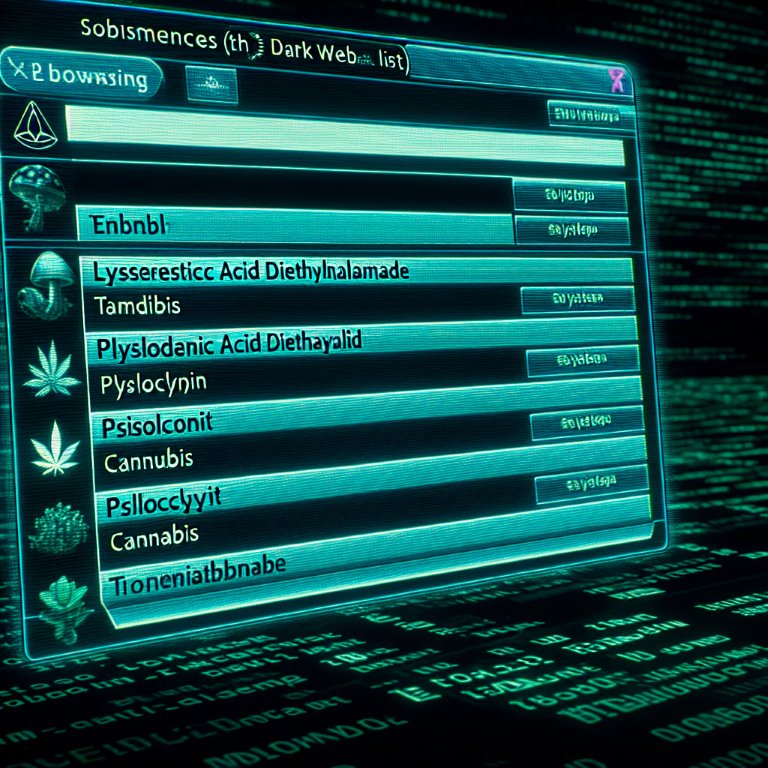
Easy Shopping for Drugs on the Darknet
The architecture of a darknet marketplace is intentionally straightforward, mirroring the usability of mainstream e-commerce platforms. This familiar design lowers the barrier to entry, allowing users to navigate and conduct transactions with minimal friction. The interface typically features clear categories, a search function, and a shopping cart system.
This simplicity serves a critical function: it standardizes the process of acquiring goods, making it efficient and predictable. A well-organized marketplace reduces operational errors and builds user confidence. The design prioritizes direct access to product listings, vendor profiles, and secure communication channels.
The layout directly supports the marketplace's core mechanisms. Vendor ratings and feedback are prominently displayed on each listing, creating a system of transparent accountability. The escrow service is seamlessly integrated into the checkout process, holding funds until the buyer confirms receipt. This combination of a simple interface and robust built-in systems facilitates a smooth and secure trading environment, encouraging repeat use and contributing to the platform's overall stability and reputation.
How Ratings Build Trust for Safe Drug Trade on the Darknet
The vendor rating and buyer feedback system is the primary mechanism for establishing trust on a darknet marketplace. It functions as a decentralized reputation ledger, where every completed transaction contributes data. A vendor's profile displays a cumulative score, typically a percentage or star rating, derived from historical feedback. This score is a direct metric of reliability.
Buyer reviews provide granular data beyond the numerical score. Comments detail product quality, shipping speed, and stealth packaging. This information allows new buyers to assess a vendor's consistency. Systems often separate feedback for the product itself and the vendor's service, offering a two-dimensional view of performance.
The structure incentivizes ethical commerce. Vendors with high ratings and positive reviews gain more business, directly linking their economic success to customer satisfaction. This creates a self-policing environment. Conversely, a vendor with poor feedback faces economic decline, as the transparent record deters future buyers.
For practical use, a buyer should:
- Analyze the vendor's overall rating and the volume of transactions it is based on.
- Read recent feedback to check for consistency in service.
- Look for detailed comments about specific aspects of the transaction that matter to them.

How Escrow Makes Buying on the Darknet Safer
The escrow service is a fundamental component that enables secure transactions on a darknet marketplace. It functions as a neutral third-party holding account. When a buyer places an order, their cryptocurrency is held by the escrow system, not released directly to the vendor. This mechanism directly addresses the inherent trust deficit in anonymous environments.
The process follows a clear sequence:
- The buyer sends payment to the escrow, which the platform confirms.
- The vendor is notified and ships the product.
- Upon receipt, the buyer finalizes the order, releasing funds from escrow to the vendor.
The effectiveness of this system reinforces the overall trustworthy ecosystem. It reduces financial risk for buyers, which in turn encourages market participation and honest vendor behavior. Reliable escrow is a critical feature that distinguishes established darknet links from riskier operations, providing a safer framework for commerce.
A Huge Catalog of Products on the Darknet
The product diversity on a darknet marketplace is a primary functional advantage. Unlike conventional retail, these platforms aggregate listings from global vendors, creating a vast, centralized catalog. This selection directly addresses specific consumer demand, offering products that are often difficult or impossible to source through legal channels. The range typically includes various categories of controlled substances, digital goods, and other restricted items, each with detailed descriptions regarding purity, origin, and suggested use.
The inventory is organized through a searchable database with filters for product type, price, vendor location, and shipping options. This system allows for efficient comparison shopping. A buyer can evaluate multiple listings for the same substance, comparing factors like:
- stated chemical composition or strain
- price per unit weight
- vendor reputation scores
- shipping times and stealth packaging methods
This competitive environment fosters market efficiency. Vendors are incentivized to maintain high-quality products and accurate listings to secure positive feedback, which in turn builds buyer confidence. The sheer volume of available options ensures that market prices are kept competitive, providing economic benefit to the consumer. The selection's breadth is a core component of the ecosystem's resilience and user appeal, functioning as a direct response to unmet demand in the surface web economy.

How Competition Lowers Prices on the Darknet
The economic structure of a darknet marketplace, facilitated by a reliable darknet link, inherently promotes competitive pricing. This is a direct function of the platform's design, where multiple vendors operate in a single, accessible space. For a buyer, this creates a transparent environment where price comparison for identical or similar products is straightforward.
The presence of detailed vendor ratings and buyer feedback systems further refines this competition. Vendors are not competing on price alone but on a composite score of value, which includes:
- product purity and consistency,
- reliability of shipping and stealth,
- and the quality of customer service.
This dynamic benefits the consumer by applying downward pressure on prices while simultaneously incentivizing vendors to maintain or improve the quality of their service to justify their rates. A vendor with a perfect rating can command a premium, while a new vendor might offer lower prices to attract initial reviews. The result is a self-regulating market where competitive pricing acts as a powerful mechanism for value optimization, directly benefiting the end user who gains access to higher quality goods and services at more efficient price points.
How Trust Grows on a Darknet Market
The combined operation of the features described creates a self-reinforcing cycle of trust that is fundamental to the darknet marketplace model. This ecosystem functions on principles of verified reputation and secured transactions, which directly address the inherent anonymity of the environment.
Vendor ratings and detailed buyer feedback provide a transparent history of performance. A seller with consistently high scores and positive reviews demonstrates reliability, creating a competitive advantage based on merit. This system incentivizes vendors to maintain high standards in product quality and shipping discretion.
The escrow service acts as a neutral third party, holding the buyer's cryptocurrency until the product is received and confirmed. This mechanism protects both parties: the buyer from losing funds without receiving the product, and the vendor from fraudulent chargebacks. It enforces accountability where traditional legal contracts are absent.
This framework of accountability, combined with the wide product selection and competitive pricing driven by a global marketplace, encourages repeat business. Buyers return to platforms and vendors that have proven trustworthy. Consequently, the ecosystem matures, as low-quality vendors or scams are systematically filtered out by community feedback and financial safeguards. The result is a trading environment where security features and social proof coalesce to reduce risk and foster stable commercial interactions.