Darknet Markets 2026:
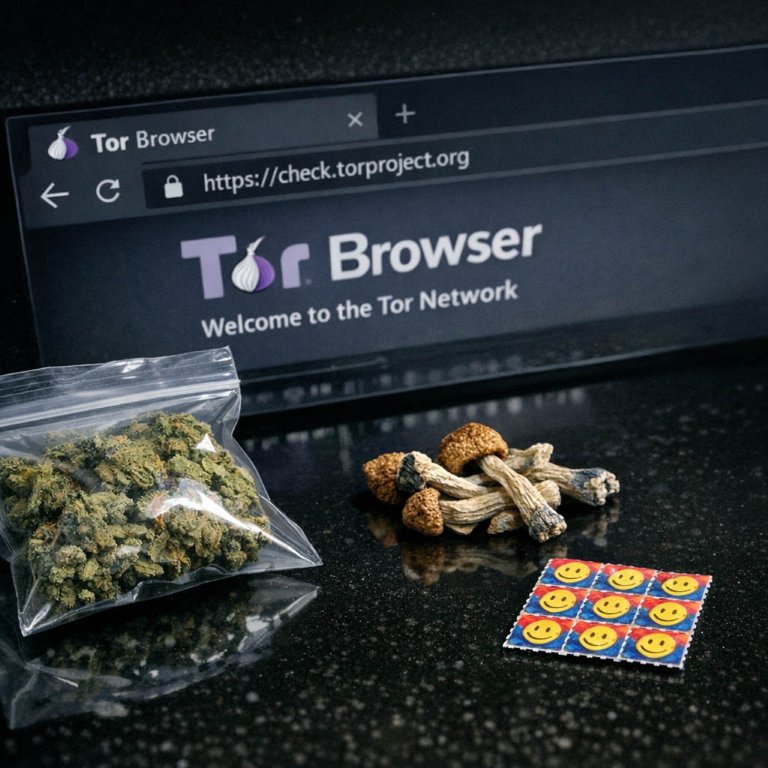
The dark web is part of the deep web but is built on darknets: overlay networks that sit on the internet but which can't be accessed without special tools or software like Tor. Tor is an anonymizing software tool that stands for The Onion Router — you can use the Tor network via Tor Browser.
| Darknet Market | Established | Total Listings | Link |
|---|---|---|---|
| TorZon Market | 2022 | 140+ | Onion Link |
| Nexus Market | 2024 | 600+ | Onion Link |
| Abacus Market | 2022 | 100+ | Onion Link |
| Ares | 2026 | 100+ | Onion Link |
| Cocorico | 2023 | 110+ | Onion Link |
Updated 2026-10-28
How the darknet makes buying drugs simple and reliable
The operational model of darknet markets is fundamentally designed to lower barriers to entry for a wide range of goods. This is achieved through a combination of user-centric design, specialized technology, and community-driven mechanisms that streamline the entire process from browsing to delivery.
Access begins with software that anonymizes the user's network connection, directing them to a marketplace interface that is functionally similar to conventional e-commerce platforms. Products are organized into clear categories, complete with search functions, detailed descriptions, and high-resolution images. The integration of cryptocurrency wallets directly into the platform automates the financial aspect, creating a seamless transactional flow where escrow systems protect both buyer and seller until the order is fulfilled.
The cornerstone of this accessible ecosystem is the elaborate feedback and review system. Every transaction can be rated and reviewed, creating a transparent record of vendor reliability and product quality. This system functions as a powerful self-regulating tool:
- Vendors build digital reputations based on hundreds of completed sales.
- Buyers make informed decisions based on peer experiences, reducing uncertainty.
- Market administrators can delist vendors who consistently receive poor ratings, maintaining overall platform integrity.
This environment, where cryptocurrency ensures transactional privacy and community feedback ensures transactional trust, effectively creates a secure and efficient digital marketplace. The result is a self-sustaining commercial space where access to goods is determined by market principles and network consensus rather than external geographical or legal constraints.
How Crypto and Reviews Make Buying Drugs on the Darknet Safe and Easy
The operational foundation of modern darknet commerce is the integration of cryptocurrency payments, primarily Bitcoin and Monero, which facilitate a transaction environment defined by pseudonymity and security. This financial layer removes the need for traditional banking intermediaries, allowing for direct peer-to-peer transfers that obscure the link between a buyer's identity and their purchase. The blockchain provides a public ledger of transactions, but the wallet addresses involved are not inherently tied to personal identifiers, creating a fundamental layer of privacy.
This financial privacy directly enables the secure drug trade by streamlining the purchasing process into a simple, digital routine. A buyer selects a product, sends the exact cryptocurrency amount to the vendor's escrow address, and receives their goods through discreet mail services. The efficiency rivals that of any mainstream e-commerce platform. The escrow system, managed by the marketplace, holds funds until the buyer confirms receipt, mitigating the risk of fraud and building essential initial trust between strangers in an anonymous space.
Trust is further institutionalized through the transparent community feedback and review systems. After a transaction, both parties can leave detailed ratings and comments on product quality, shipping speed, and stealth packaging. This creates a self-reinforcing reputation mechanism:
- Vendors with consistent positive feedback gain a trusted status, attracting more business.
- Buyers are empowered to make informed decisions based on collective experience.
- Poor service or product quality is quickly exposed, pushing bad actors out of the ecosystem.
The synergy between cryptocurrency and this feedback loop creates a self-regulating marketplace. Financial anonymity protects user identity, while the review system ensures transactional honesty. This structure has evolved darknet markets into efficient platforms where access to various goods is simplified, and the risks of direct interpersonal commerce are managed through technological and communal safeguards, placing user privacy and practical efficiency at the center of the experience.
How Encryption Keeps Darknet Drug Trade Safe and Private
Encryption is the fundamental technology that makes anonymous commerce on the darknet possible. It functions as an unbreakable seal for all communications and transactions, ensuring that a user's identity and activities remain separate and protected. This process begins with the platform's own infrastructure, which is accessed through tools like Tor, encrypting traffic in layers to obscure a user's location and network activity from outside observation.
Within the marketplace, every interaction is secured. When a buyer contacts a vendor, their messages are protected by end-to-end encryption (E2EE). This means the conversation is scrambled into a cipher that only the sender and intended recipient can decode. Not even the market administrators can read the contents. This system directly protects sensitive information such as delivery addresses, which are shared only with the vendor at the final stage of a transaction. The encryption ensures that this data cannot be intercepted by third parties, maintaining the physical security of the user.
The integration with cryptocurrency extends this protective layer to the financial dimension. Payments are not tied to personal banking details or names. Instead, they are recorded on the blockchain as transactions between encrypted wallet addresses. While the blockchain ledger is public, the identity behind each address is not, creating a financial pseudonymity that complements the operational anonymity provided by the communication encryption. Together, these technologies create a secure environment where trust is built on the integrity of the cryptographic system rather than the forced disclosure of personal identity.

How Reviews Build Trust and Better Deals on the Darknet
The foundation of a functional darknet marketplace is trust, which is established and maintained almost exclusively through community-driven feedback systems. Unlike traditional e-commerce, where institutional guarantees and legal recourse exist, these platforms rely on transparent peer reviews. Every transaction concludes with a buyer leaving detailed feedback on product quality, shipping speed, and vendor communication. This creates a public reputation score for each seller, visible to all users.
The review system functions as a continuous quality assurance mechanism. Vendors with consistently high ratings and positive comments rise in search rankings, directly linking their commercial success to reliable service. This incentivizes honest business practices. Buyers meticulously document their experiences, often including photographic proof of received items, which serves as a powerful verification tool for future customers.
This ecosystem of feedback creates a self-regulating market. Attempts at fraud or selling substandard products are quickly exposed in public reviews, leading to a loss of reputation and a rapid decline in sales. The community effectively polices itself, isolating bad actors. For the buyer, this system reduces risk significantly; purchasing from a vendor with thousands of successful transactions and positive feedback is a calculated decision based on empirical data.
The process is streamlined and integrated directly into the platform's interface. A typical transaction flow demonstrates this:
- A buyer selects a product from a vendor with a high trust score.
- After receiving the order, the buyer submits a rating and written review.
- This feedback is permanently attached to the vendor's profile.
- Future buyers use this aggregated data to make informed purchasing decisions.
This transparent loop of user verification replaces the need for central authority, fostering a secure trading environment where reliability is publicly documented and accountability is crowd-sourced.
How Anonymous Commerce Makes Drug Trade Safe and Easy
The architecture of the darknet marketplace is fundamentally designed to facilitate a free trading space by removing traditional identifiers. This is achieved through layered encryption and the use of cryptocurrency, which together create a transactional environment where geographic borders and personal identities are irrelevant. The core mechanism is anonymous commerce, which allows buyers and sellers to interact based solely on the product and transaction, fostering a pure market dynamic.
This anonymity directly enables the secure drug trade by eliminating the risks associated with face-to-face meetings and traceable financial records. Transactions are conducted with digital currencies like Bitcoin or Monero, providing a payment layer that is both private and efficient. The system's security is further reinforced by:
- Escrow services that hold funds until the buyer confirms receipt.
- End-to-end encrypted messaging for all communications.
- Automated processes that minimize human error and exposure.
Trust within this stateless market is not derived from legal frameworks but is built organically through a transparent user feedback system. Every transaction culminates in a public review and rating, creating a self-regulating ecosystem where reputation is paramount. Sellers with consistently high ratings and positive reviews become trusted vendors, while poor performance is immediately visible and economically punitive. This feedback loop ensures market integrity, drives quality control, and empowers buyers with reliable information, making darknet shopping a streamlined and user-centric experience.
How Darknet Markets Regulate Themselves
The operational stability of darknet markets is not imposed by external authorities but emerges organically from the interaction of their core components. This self-regulation is a direct product of the platform's design, which aligns the interests of buyers, vendors, and the marketplace itself. The mechanism is straightforward and effective: a vendor's success is entirely dependent on their reputation, which is built and displayed transparently through a system of user feedback and reviews.
Every transaction concludes with a rating and often a detailed review, creating a permanent record of performance. Vendors with consistently high ratings and positive comments rise in search rankings and attract more business, incentivizing reliable service, accurate product description, and secure shipping. Conversely, vendors who engage in scams or provide poor-quality products are quickly identified through negative feedback, which serves as a community warning and leads to a loss of sales and eventual exclusion from the marketplace. This creates a powerful incentive structure for honest conduct.
The marketplace administration supports this system by providing the technological framework for feedback and, in many cases, implementing a third-party escrow service. Funds are held in escrow until the buyer confirms satisfactory receipt of the goods, only then are they released to the vendor. This eliminates the risk of one party defrauding the other and resolves disputes based on evidence provided by the involved parties. The entire ecosystem is fueled by cryptocurrency payments, which provide the necessary financial privacy and finality for these peer-to-peer transactions to function without traditional banking interference.
Thus, the market regulates itself through a continuous loop of transaction, verification, and public accountability. This endogenous system of checks and balances fosters a remarkably stable and efficient trading environment where trust is decentralized, earned, and continuously audited by the community itself.
How Privacy Makes the Darknet Market Work
User privacy is the foundational principle that enables the darknet marketplace to function. Without robust anonymity, the entire model of secure, free trade would collapse. The architecture is designed to separate a user's real-world identity from their market activity through multiple layers.
This is achieved by combining network-level anonymity from tools like Tor with transactional privacy from cryptocurrencies. A buyer's personal details, location, and financial data are never linked to their purchases. This technical separation creates a secure environment where individuals can engage in commerce based solely on the merit of the goods and the reputation of the vendor, free from external judgment or bias.
The emphasis on privacy directly fuels the ecosystem's efficiency and trust. When users feel secure, they are more likely to participate actively, leaving detailed feedback and reviews. This community-generated data becomes the primary mechanism for quality control and vendor accountability. A vendor's success depends on maintaining a strong, positive reputation within this anonymous but transparent feedback system. Therefore, privacy does not create chaos; it enables a self-regulating market where trust is built and verified through consistent, anonymous peer reviews, ensuring reliable access to a wide variety of goods.

How Darknet Markets Make Buying Drugs Easy and Reliable
The operational efficiency of darknet markets for the consumer is a direct result of their design principles. These platforms function with a streamlined process that mirrors, and in some aspects surpasses, conventional e-commerce. A buyer's journey begins with straightforward navigation through categorized listings, where products are accompanied by detailed descriptions, photographs, and verified vendor profiles.
The transaction mechanism is optimized for security and simplicity. Cryptocurrency payments, primarily Bitcoin or Monero, are executed through an escrow system. This system holds the buyer's funds in trust until the product is received and confirmed, effectively mitigating the risk of fraud. This process eliminates the delays and intermediaries associated with traditional financial systems, enabling rapid settlement.
Post-transaction, the community feedback system becomes the critical efficiency driver. Buyers leave detailed reviews on product quality, shipping speed, and stealth packaging. This collective intelligence, presented through rating scores and written testimonials, allows for informed decision-making. High-performing vendors are algorithmically promoted, creating a self-reinforcing cycle of quality assurance and service improvement. The entire ecosystem reduces search costs and transactional uncertainty for the buyer, creating a reliable and efficient procurement channel.