Darknet Markets 2026:
The dark web is part of the deep web but is built on darknets: overlay networks that sit on the internet but which can't be accessed without special tools or software like Tor. Tor is an anonymizing software tool that stands for The Onion Router — you can use the Tor network via Tor Browser.
| Darknet Market | Established | Total Listings | Link |
|---|---|---|---|
| TorZon Market | 2022 | 140+ | Onion Link |
| Nexus Market | 2024 | 600+ | Onion Link |
| Abacus Market | 2022 | 100+ | Onion Link |
| Ares | 2026 | 100+ | Onion Link |
| Cocorico | 2023 | 110+ | Onion Link |
Updated 2026-10-28
Bitcoin and the Darknet: A Secure Way to Shop
The integration of Bitcoin with darknet markets has established a functional framework for private commerce. This system operates on principles of cryptographic security and decentralized consensus, which directly facilitate secure transactions. Bitcoin's pseudo-anonymous nature allows users to engage in trade without directly linking their real-world identity to their financial activity, providing a foundational layer of privacy for shopping.
Darknet markets build upon this by implementing structured mechanisms for trust. These platforms function as neutral intermediaries, offering two critical services:
- Escrow services that hold a buyer's bitcoin payment until the goods are received and confirmed, significantly reducing the risk of fraud for both parties.
- A transparent vendor rating and review system that creates a self-policing environment where reputation is paramount for sustained business.
The combination creates a resilient ecosystem. A buyer can select a well-reviewed vendor, place an order, and send bitcoin to a secured escrow address. The vendor ships the product, and upon confirmation from the buyer, the escrow releases the funds. This process minimizes the need for interpersonal trust, replacing it with verifiable, algorithmically-enforced steps. The efficiency of cryptocurrency allows for near-instant settlement across borders, bypassing traditional financial gatekeepers and their associated surveillance. This model demonstrates that secure, peer-to-peer trade can be organized digitally, with privacy and contractual security managed through a combination of blockchain technology and community feedback systems.
How Decentralization Keeps Your Shopping Private
The decentralized architecture of Bitcoin and the darknet enables a secure framework for private commerce. This system operates without a central authority, removing the single point of failure and control that characterizes traditional financial and retail systems. User privacy is fundamentally protected because transactions occur directly between peers, facilitated by cryptographic protocols rather than through institutions that mandate identity verification.
Bitcoin's blockchain provides a public ledger of transactions, but the identities of the parties involved are represented by pseudonymous addresses. This creates a layer of abstraction between real-world identity and financial activity. When combined with the network anonymity of the darknet, achieved through tools like Tor, it establishes a robust environment for conducting trade. The integration of multisignature escrow and a vendor rating system directly within marketplace platforms builds trust without compromising this privacy model.
The resulting ecosystem demonstrates a functional model for secure commerce. It allows buyers to shop with a significant degree of safety and discretion, as the mechanisms for trust are embedded in the transaction process itself. Vendor reputation, accumulated through consistent performance and positive feedback, becomes the primary currency of credibility, replacing the need for intrusive personal data disclosure. This peer-to-peer model shows that efficient, trusted trade can be organized around decentralized principles and cryptographic verification.
How Escrow Makes Darknet Deals Work
The fundamental challenge for any remote commerce, especially on the darknet, is the lack of inherent trust between anonymous parties. A buyer cannot simply send funds to a stranger with only a promise of delivery, and a vendor will not ship valuable goods without payment assurance. This impasse is resolved through a multisignature escrow system, a technological innovation that leverages Bitcoin's programmable nature to create neutral, automated trust.
In a typical transaction, funds from the buyer are sent to a multisignature Bitcoin address. This address requires two out of three possible cryptographic keys to release the payment. The buyer holds one key, the vendor holds another, and a trusted third party, the market's escrow service or a dedicated moderator, holds the third. The funds are locked in this address until the terms of the deal are fulfilled.
This mechanism enables a secure sequence:
- The buyer commits funds, proving serious intent without immediately relinquishing control.
- The vendor sees the secured payment and dispatches the product.
- Upon receipt, the buyer releases the funds using their key combined with the vendor's, completing the trade.
Disputes are managed objectively. If a package fails to arrive or is substandard, the buyer and vendor can present evidencesuch as tracking data or photographsto the third-party key holder. The moderator then arbitrates, releasing the funds to the rightful party by collaborating with either the buyer's or the vendor's key. This system transforms a potentially risky anonymous trade into a procedure-based interaction, where financial risk is minimized and both parties are incentivized for honest conduct. The escrow does not eliminate fraud but structurally reduces its likelihood, making the darknet marketplace a functional environment for private commerce where reputation and process outweigh blind trust.

How Ratings Make the Darknet a Safer Place to Buy
The vendor rating system is the cornerstone of trust and safety on darknet markets, transforming anonymous commerce into a self-regulating ecosystem. Unlike traditional illicit trade, every transaction concludes with a detailed review where buyers evaluate product quality, shipping speed, and stealth. These cumulative ratings, often displayed alongside a vendor's total sales, create a transparent and powerful reputation mechanism.
A vendor with thousands of positive reviews and a high score, typically above 95, establishes a track record of reliability. This history directly influences their visibility and sales, incentivizing consistent, high-quality service. The system naturally penalizes bad actors; a seller who ships inferior products or fails to deliver will quickly accumulate negative feedback, alerting the community and destroying their business viability. This creates a form of organic market regulation driven by peer accountability rather than external enforcement.
The process is integrated with the Bitcoin escrow system. Funds are only released from escrow after the buyer confirms satisfactory receipt of the order. This ensures that the review is based on a completed transaction, making the feedback authentic and verifiable. The combination of financial security and public reputation fosters a surprisingly stable environment for commerce, where participants are held accountable by their economic interests and community standing.
How a Darknet Market Works: Secure Shopping with Bitcoin and Escrow
The operational model of darknet markets demonstrates a functional peer-to-peer e-commerce system. A buyer initiates a transaction by selecting a product and transferring Bitcoin to a market-controlled escrow account. This mechanism holds funds securely until order fulfillment, directly addressing the trust deficit inherent in anonymous environments.
Vendor reputation, built through transparent feedback and rating systems, serves as the primary governance tool. High-rated vendors maintain business by reliably shipping quality products, as their earnings remain in escrow until the buyer confirms receipt. This creates a self-policing marketplace where poor performance or fraud leads to financial loss and exclusion.
The process concludes with the buyer finalizing the order upon receipt, which releases escrowed funds to the vendor. Multisignature escrow options provide enhanced security, requiring multiple cryptographic signatures for fund release. This integrated use of cryptocurrency, escrow, and public feedback facilitates secure private shopping and establishes a framework for efficient, dispute-minimized trade.
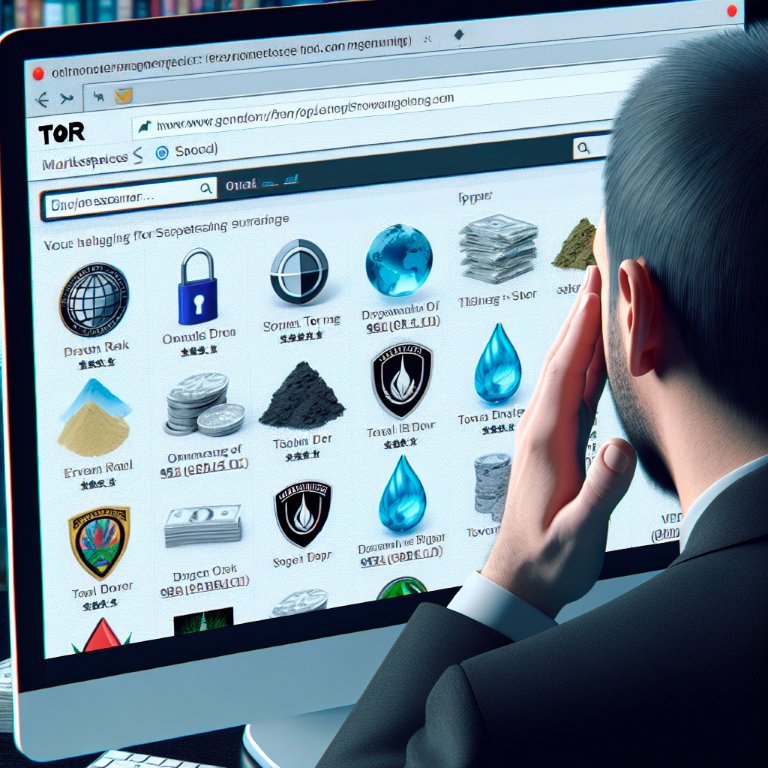
How Bitcoin Makes Darknet Drug Shopping Fast and Safe
The transactional framework of the darknet, powered by Bitcoin and other cryptocurrencies, creates a uniquely efficient environment for private commerce. This efficiency stems from the decentralized nature of the currency, which removes traditional financial intermediaries. Transactions are peer-to-peer, settling on a global network without the delays, geographical restrictions, or account freezes associated with conventional banking. This allows for a swift and fluid economic exchange, where funds move directly between buyer and vendor with minimal friction.
This technical efficiency directly enables safe private shopping. The pseudonymous design of Bitcoin wallets provides a layer of financial privacy that cash cannot offer in online spaces. While not entirely anonymous, when combined with the network privacy of the darknet, it creates a formidable barrier against surveillance and unwanted scrutiny of personal purchases. This privacy is not a minor feature; it is the foundational element that allows a marketplace for trusted drug trade to exist and scale. Individuals can engage in transactions based on personal choice without exposing their identity to the broader financial system.
Trust within this system is engineered through transparent, immutable mechanisms rather than personal relationships. The escrow service is critical, holding the buyer's cryptocurrency in a neutral third-party account until the product is received and confirmed. This eliminates the fundamental risk of one party defrauding the other. Trust is further quantified and reinforced by the vendor rating system. Every completed transaction contributes to a public reputation score, creating a powerful economic incentive for vendors to maintain high standards of product quality and reliable shipping. Poor performance is quickly reflected in public feedback, effectively policing the marketplace through collective user experience.
The resulting ecosystem demonstrates a functional model for secure commerce. It operates on a sequence of integrated components:
- A decentralized currency for efficient, borderless payment.
- Network and financial privacy tools to protect participant identity.
- Automated escrow systems to enforce transactional fairness.
- A transparent reputation framework to incentivize and verify trustworthy behavior.
How Bitcoin and Darknet Markets Built a Safe Shopping Model
The integration of Bitcoin with darknet markets has established a functional model for secure, private commerce. This system operates on principles of cryptographic security and decentralized consensus, which facilitate transactions without traditional financial intermediaries. The model's effectiveness is demonstrated by its ability to create a trusted environment for the trade of various goods, including pharmaceuticals and recreational substances, where consumer safety and product quality are paramount concerns for participants.
Bitcoin provides the necessary pseudonymity and borderless transaction capability. Payments are settled directly between parties on a peer-to-peer network, eliminating the need for personal banking details. This financial privacy is a cornerstone, allowing users to engage in commerce without exposing their identity through their payment method. The blockchain serves as an immutable ledger, providing a transparent record of transactions that all parties can verify without revealing personal data.
Darknet marketplaces build upon this financial layer by implementing robust systems for vendor reputation and escrow services. These features directly enable safe private shopping and a trusted drug trade.
- Vendor rating systems, compiled from detailed buyer feedback on product purity, shipping speed, and communication, create a self-policing ecosystem. High-rated vendors maintain their status by consistently meeting quality standards, while poor performers are quickly identified and avoided.
- Multisignature escrow holds funds securely in a transaction until the buyer confirms satisfactory receipt of goods. This mechanism dramatically reduces fraud by ensuring vendors are paid for delivered products and buyers are protected against scams.
The resulting environment demonstrates a working model of efficient, secure e-commerce. Disputes are mediated through the platform based on evidence, and the financial incentives for honest conduct are strong. This operational framework shows that decentralized technologies can facilitate complex trade based on cryptographic trust rather than institutional identity, providing a functional alternative for private commercial activity.