Darknet Markets 2026:
The dark web is part of the deep web but is built on darknets: overlay networks that sit on the internet but which can't be accessed without special tools or software like Tor. Tor is an anonymizing software tool that stands for The Onion Router — you can use the Tor network via Tor Browser.
| Darknet Market | Established | Total Listings | Link |
|---|---|---|---|
| TorZon Market | 2022 | 140+ | Onion Link |
| Nexus Market | 2024 | 600+ | Onion Link |
| Abacus Market | 2022 | 100+ | Onion Link |
| Ares | 2026 | 100+ | Onion Link |
| Cocorico | 2023 | 110+ | Onion Link |
Updated 2026-07-28
How Darknet Markets Built Easy and Private Shopping
Darknet markets in 2025 have made anonymous shopping both safe and simple by integrating privacy-first design as a core platform feature. This evolution moves beyond reliance on single tools like Tor, embedding layered anonymity directly into the user journey. Platforms now utilize automated, built-in Tor and I2P routing, removing the technical burden from the user and ensuring all connections are obfuscated by default.
The registration process has been streamlined to eliminate personal data collection. Users interact with the market through self-custodied anonymous identities, often leveraging decentralized identifiers (DIDs) that are not linked to any email or external account. Communication is secured with non-interceptable end-to-end encryption, where keys are managed locally on user devices, preventing even platform administrators from accessing message content.
To further simplify secure transactions, modern darknet platforms integrate privacy-focused cryptocurrencies with native wallet services. This eliminates the need for external wallet software for basic purchases, reducing operational security errors. The entire processfrom browsing to checkoutoccurs within a unified, anonymized environment.
- Mandatory encrypted connections via integrated anonymity networks.
- Account systems that require zero personal information.
- In-platform encrypted messaging and cryptocurrency wallets.
- Automated cleanup of transactional metadata on the server-side.
This design philosophy treats privacy not as an optional add-on but as the fundamental infrastructure. The result is a user experience where robust security is maintained passively, allowing buyers and sellers to focus on trade rather than complex configurations. The technical barriers to safe anonymous participation have been systematically dismantled.
How Cryptography Makes Darknet Shopping Safe and Private
The evolution of darknet markets is fundamentally driven by cryptographic innovation. By 2025, these platforms have integrated a suite of advanced protocols that make anonymous shopping not only possible but routine and secure. The cornerstone remains end-to-end encryption, which ensures that all communication between buyer and seller, including order details and shipping information, is scrambled and inaccessible to anyone else, including the market administrators.
This is complemented by the mandatory use of privacy-focused cryptocurrencies like Monero (XMR). Unlike early Bitcoin transactions, which leave a public, traceable ledger, Monero uses ring signatures and stealth addresses to obfuscate the sender, receiver, and amount of every transaction. This creates a financial layer of privacy that is integral to the user experience, allowing for secure and private transactions without requiring technical expertise from the user.
The operational security of the markets themselves has also advanced. Most 2025 platforms operate as decentralized marketplaces, eliminating the single point of failure represented by a central server. Vendor shops and product listings are hosted across distributed networks, often leveraging technology like the InterPlanetary File System (IPFS). This means that even if one node is compromised, the market continues to function, protecting both the business and its users from takedowns.
For the consumer, this sophisticated cryptography works seamlessly in the background. The process is straightforward:
- A user accesses the platform via the Tor network.
- They browse listings, with all data encrypted in transit.
- Funds are placed in a multisignature escrow using an anonymous cryptocurrency.
- Order details are shared through encrypted channels.
How Smart Escrow Makes Darknet Trade Safe and Easy
The evolution of escrow services is central to the safety and simplicity of anonymous shopping on darknets. In 2025, these systems have moved beyond simple third-party holding accounts to become automated, multi-signature smart contracts. A transaction's funds are locked in a cryptographic escrow that requires at least two of three possible keys to release: one held by the buyer, one by the seller, and one by the market's arbitration system. This design eliminates the risk of a single party, including the market itself, absconding with the coins.
The process is streamlined for user convenience. Upon order confirmation, the buyer deposits cryptocurrency into the smart contract. The seller is then notified to ship the product. Only after the buyer confirms receipt and satisfaction does the contract execute, releasing payment to the seller. This creates a trustless environment where both parties can engage confidently without prior familiarity. If a dispute arises, neither party can unilaterally seize the funds; instead, the contract invokes a neutral arbitrator to review evidence submitted by both sides before rendering a binding decision on fund distribution.
These modern escrow mechanisms directly address historical points of failure in darknet trade:
- They prevent exit scams by markets or vendors.
- They reduce fraudulent listings by ensuring payment is only released upon fulfillment.
- They formalize and expedite dispute resolution through embedded protocols.

How Dispute Resolution Makes Drug Trade on the Darknet Fair and Smooth
Dispute resolution mechanisms on darknet markets have evolved from a basic feature into a sophisticated system that underpins trust in anonymous commerce. The process begins when a transaction does not meet the agreed-upon terms. Instead of relying on a central authority, modern platforms employ a multi-signature (multisig) escrow as the default, where funds are locked in a wallet requiring two of three keys to release. This technical foundation prevents unilateral action by either the buyer, seller, or the platform itself.
When a dispute is filed, it is assigned to a randomly selected, experienced moderator from a pool of verified users. These moderators review encrypted evidence uploaded by both parties, such as PGP-signed order agreements, tracking data, and product photographs. The entire communication and evidence review occurs on the platform's secure messaging system, preserving anonymity. The moderator's decision is based on a transparent, rule-based framework that prioritizes cryptographic proof over unverifiable claims.
The outcome directly enforces the smart contract within the escrow, automatically releasing funds to the appropriate party. This automated enforcement removes ambiguity and potential for further conflict. A key advancement is the public, anonymized logging of resolved disputes, which contributes to a reputation score for both vendors and moderators. This creates a self-regulating ecosystem where consistently fair participants gain higher trust, while those with frequent, upheld disputes against them are systematically marginalized by the market's own user base.
How Darknet Reputation Systems Make Buying Safer
The evolution of vendor reputation systems on darknets has directly addressed the historical uncertainty of anonymous trade. Modern platforms employ multi-faceted feedback mechanisms that go beyond simple five-star ratings. These systems now track and display a vendor's transaction completion rate, on-time shipping percentage, and communication responsiveness over extended periods, often spanning hundreds of transactions. This longitudinal data provides a more accurate and reliable picture of vendor performance than any single review could offer.
To prevent manipulation, advanced algorithms weight feedback based on the reviewer's own account history and the value of the transaction. A positive review from a buyer with a long history of completed purchases carries more significance than one from a new account. Furthermore, the implementation of verified purchase reviews, where only users who have finalized a transaction can leave a rating for that specific product, has drastically reduced fraudulent feedback. This creates a self-regulating ecosystem where consistent, high-quality service is the primary driver of commercial success.
The result is a transparent and competitive marketplace where buyers can make informed decisions with confidence. Vendors are incentivized to maintain impeccable standards, as their digital reputation is their most valuable asset. This system effectively replicates the trust mechanisms of conventional e-commerce within an anonymous environment, making the procurement of goods a straightforward process based on demonstrable reliability.
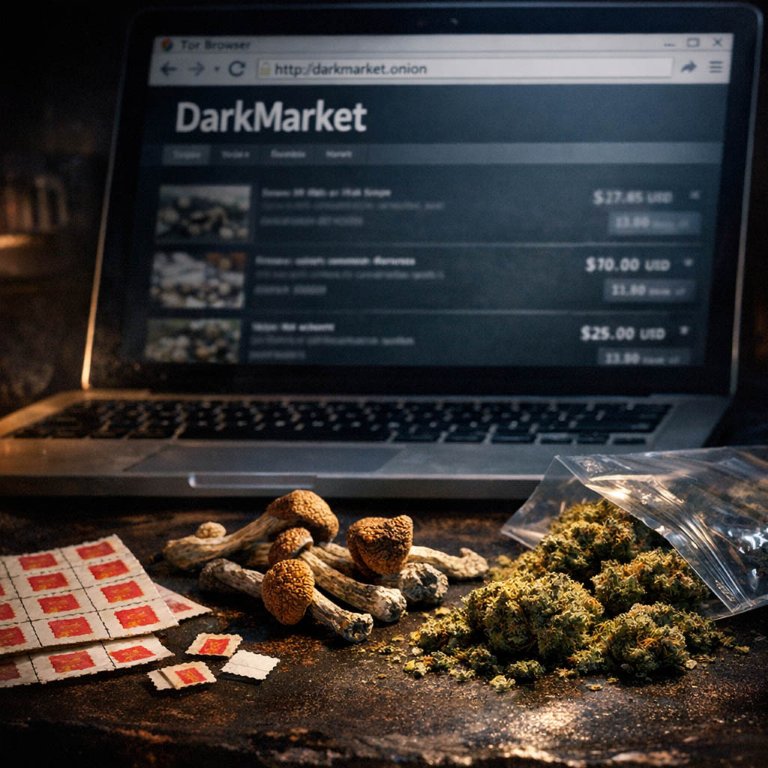
More Products and Services on the Darknet
The evolution of darknet markets by 2025 is characterized by a significant diversification of inventory, moving beyond traditional categories. While controlled substances remain a primary driver due to consistent demand, the ecosystem now supports a broader, more sophisticated economy. Platforms have matured to offer a wider array of digital and physical goods, including exclusive software tools, curated digital art, and rare collectibles. This expansion is facilitated by enhanced privacy protocols, which attract vendors specializing in niche products that benefit from discreet transactions.
The service sector has seen remarkable growth, with listings for specialized consultations, secure communication channels, and unique digital experiences becoming commonplace. This variety directly responds to specific consumer demand, creating a more resilient and complex marketplace. The availability of these goods and services is made possible by streamlined logistics and decentralized platform architecture, which lower barriers to entry for vendors. As a result, consumers benefit from competitive pricing, higher quality, and more reliable access to items that are difficult or illegal to obtain through conventional retail channels, making anonymous shopping both a practical and efficient endeavor.
How Darknet Logistics Meet Your Needs
The logistical frameworks of darknet markets in 2025 have evolved beyond simple stealth shipping. They now function as integrated supply chains designed for specific consumer demand. This specialization is made possible by vendor-operated regional distribution hubs and advanced automated sorting systems. These hubs strategically stock products based on real-time analytics of regional purchasing trends, drastically reducing delivery times.
For the consumer, this means a purchasing experience comparable to mainstream e-commerce in terms of predictability. A buyer seeking a particular substance can select a vendor whose hub is geographically optimized for their location. The system then initiates a pre-verified shipping protocol using a range of camouflaging techniques and non-descript packaging materials that are continually updated to match common commercial freight. This logistical precision ensures that packages blend seamlessly into standard mail streams.
The entire process is managed through encrypted platforms that provide tracking without compromising anonymity. Customers receive procedural updates at each stagedispatch, regional sorting, and final dispatch for local deliveryall through secure, anonymous channels. This end-to-end visibility, coupled with compartmentalized logistics, minimizes losses and builds transactional trust. The result is a reliable, efficient service that meets the exact logistical expectations of a discerning clientele, making anonymous commerce both safe and straightforward.

How Decentralized Darknet Markets Make Drug Trade Safe and Easy
The evolution of darknet markets in 2025 is characterized by a shift towards decentralized infrastructure. Unlike earlier centralized marketplaces, which presented single points of failure, modern platforms operate on distributed networks. This architecture enhances resilience and uptime, ensuring continuous access for voluntary trade. The core mechanism facilitating this is the automated escrow and multisignature system, which executes transactions without requiring a central authority to hold funds. A smart contract securely locks the cryptocurrency, releasing it to the seller only upon the buyer's confirmation of receipt. This process removes the need for blind trust and significantly reduces fraud.
User experience has been streamlined to rival that of conventional e-commerce. Interfaces are intuitive, with features including:
- Advanced search filters and product categorization
- Integrated, privacy-focused communication tools
- Automated tracking and delivery status updates
This focus on usability lowers the technical barrier to entry, making anonymous shopping a straightforward process. The underlying cryptographic protocols ensure that all interactions, from browsing to finalizing a deal, are confidential by default. Personal data is never collected, and all communications are end-to-end encrypted, making participant identification technically implausible.
The combination of these elements creates a robust environment for secure voluntary exchange. The market's efficiency is self-reinforcing; as more users participate, vendor competition increases, leading to better product quality, more competitive pricing, and superior customer service. The decentralized nature of these platforms means they are governed by the collective interest of their users, fostering a self-regulating ecosystem where reliability and discretion are paramount for commercial success.